Beginner’s Guide to Growing Bleeding Heart: Romantic Spring Color for Shade Gardens
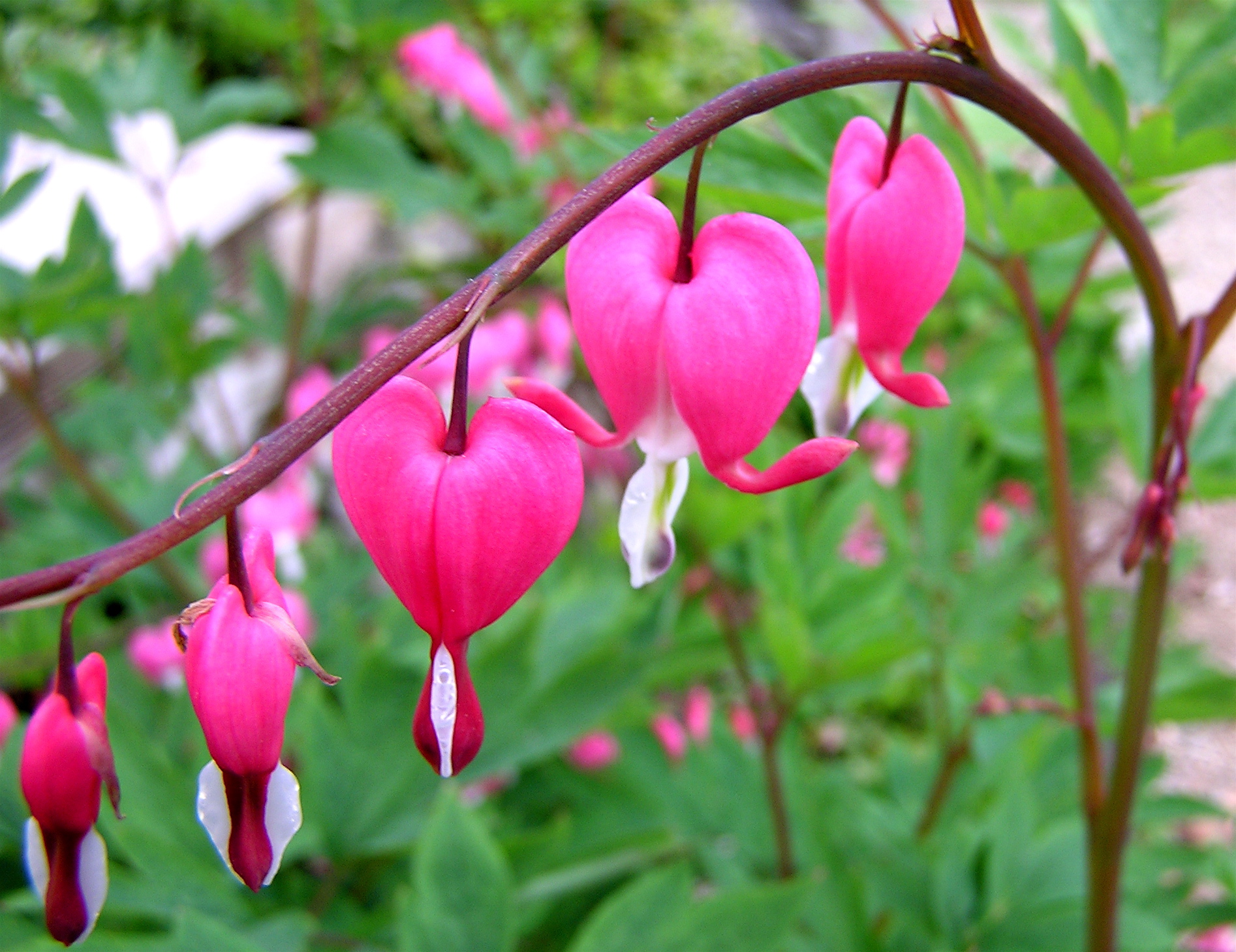
Muffet, CC BY 2.0, via Wikimedia Commons

Why Bleeding Heart Is One of the Most Beloved Shade Perennials
Few spring flowers create the emotional reaction that Bleeding Heart does. Its graceful stems arch outward and hold rows of dangling heart-shaped blossoms that look almost too perfect to be real. For many gardeners, it is the flower that signals the true arrival of spring. It brings softness, elegance, and an old-fashioned charm that feels timeless in modern landscapes.
Go directly to the Care and Instructions section by clicking here.
Beginners love Bleeding Heart because it thrives in shady areas where many sun-loving flowers fail. Experienced gardeners continue planting it because it pairs beautifully with hostas, ferns, heuchera, astilbe, and woodland companions. If you have a cool shady corner that needs life and beauty, Bleeding Heart may be the answer.
Meet the Flower Behind the Cottage Garden Legend
Bleeding Heart is most commonly known as Lamprocapnos spectabilis, formerly listed under the Dicentra genus. It is a hardy perennial that emerges in spring, quickly forms soft divided foliage, and then produces arching stems covered in heart-shaped blooms. The classic flower is pink with a white inner drop, though white and golden-leaved selections are also popular.
Modern gardeners can also grow related forms such as Fringed Bleeding Heart, which offers a longer bloom season and improved heat tolerance. Old-Fashioned Bleeding Heart is still the classic choice for dramatic spring display, while ‘Alba’ adds clean white flowers to brighten shady borders. ‘Gold Heart’ brings luminous golden foliage even before flowering begins.
No matter the variety, Bleeding Heart has a unique presence that feels refined and personal in the garden.
When to Plant Bleeding Heart and Where It Thrives Best
Bleeding Heart is best planted in spring or early fall when temperatures are moderate and soil is workable. Spring planting allows roots to establish before summer dormancy, while fall planting gives roots time to settle before winter arrives. Avoid planting during intense summer heat, especially in warmer climates where stress can be immediate.
The ideal location is partial shade to full shade with protection from hot afternoon sun. Morning sunlight is often beneficial, especially in cooler regions, but harsh late-day exposure can shorten bloom time and scorch foliage. Woodland edges, north-facing beds, shaded foundations, and tree-filtered gardens are often excellent choices.
Bleeding Heart also appreciates a sheltered setting protected from drying winds. This helps preserve flowers and keeps the root zone cooler during changing spring weather.
Rich Soil, Cool Roots, and the Secret to Long-Term Success
If there is one thing Bleeding Heart values most, it is healthy soil. Rich, loose, moisture-retentive soil with excellent drainage creates the ideal environment for strong spring growth. Before planting, mix compost, leaf mold, or other organic matter into the bed to improve texture and fertility.
The soil should remain evenly moist but never swampy. Constantly wet conditions may lead to root problems, while dry stressed soil can shorten bloom season and cause premature dormancy. A light mulch layer helps conserve moisture and keep roots cool as temperatures rise.
Plant crowns so they sit at or just below soil level. Give plants room to arch naturally, because mature Bleeding Hearts become wider and more graceful each season. Good spacing also improves airflow and overall plant health.
Watering, Feeding, and Understanding Summer Dormancy
Bleeding Heart appreciates regular watering during active spring growth and bloom. The goal is consistent moisture rather than extremes of drought and saturation. If spring weather turns warm and dry, supplemental watering can dramatically improve flowering and foliage quality.
Once summer heat arrives, many traditional Bleeding Hearts naturally begin to yellow and fade. This is normal dormancy, not failure. The plant is retreating below ground to rest until cooler seasons return. Watering can be reduced at that stage, though the soil should not remain bone dry for long periods.
Feeding needs are modest. A yearly compost top-dressing or balanced slow-release fertilizer in spring is usually enough. Overfeeding with high nitrogen products can encourage soft leafy growth rather than balanced performance.
Understanding dormancy is one of the biggest keys for beginners. Many new gardeners assume the plant has died, when in fact it is simply following its natural cycle.
Deadheading, Pruning, and Keeping Plants Looking Fresh
Deadheading is optional but worthwhile. Removing spent flower stems after blooming keeps the plant tidy and may redirect energy into root growth rather than seed production. Long-blooming fringed types may continue flowering better with regular cleanup.
Pruning is minimal. Remove damaged stems in spring and trim yellowing foliage once it has naturally declined. Avoid cutting healthy green leaves too early, because they are still feeding the crown for next year’s performance.
If gaps appear after dormancy, plant nearby companions such as hosta, fern, astilbe, or heuchera to fill the space naturally. This is a classic designer trick that keeps shade beds looking full all season.
Climate Tips, Design Ideas, and Trusted Bleeding Heart Resources
In the Northeast and Midwest, Bleeding Heart is one of the easiest spring perennials for shady beds. Southeastern gardeners should prioritize cooler microclimates, richer soil, and steady moisture because heat can trigger earlier dormancy. Pacific Northwest gardens often provide ideal conditions with mild temperatures and dependable moisture. Southwestern success is usually limited to cool mountain gardens or deeply shaded irrigated spaces.
Design-wise, Bleeding Heart shines in woodland borders, cottage gardens, shaded pathways, and foundation plantings. It looks especially beautiful when woven among hostas, ferns, brunnera, lungwort, and other textured shade plants. The flowers bring romance while the foliage softens the entire planting.
If you enjoy learning from trusted sources, several excellent references are worth exploring. The Missouri Botanical Garden offers dependable plant information on classic Bleeding Heart. Gardeners seeking university-backed guidance can also review the profile from North Carolina State Extension.
The Royal Horticultural Society provides ornamental guidance and cultural notes. The University of Wisconsin’s article on growing Bleeding Heart is practical for home landscapes, while Gardeners’ World shares useful tips for everyday gardeners.
Bleeding Heart remains one of the most rewarding shade plants you can grow. Give it cool roots, rich soil, and a little spring moisture, and it will reward you with unforgettable flowers year after year. For gardeners who love beauty with very little fuss, it is hard to beat.
Bleeding Heart Care and Instructions
When To Plant
Plant Bleeding Heart in spring or early fall when temperatures are cool and soil is workable. Spring planting allows roots to establish before summer dormancy, while fall planting gives roots time to settle before winter. Avoid planting during peak summer heat, especially in warmer climates. Bare-root divisions are commonly planted in spring. Container-grown plants can be planted anytime moderate weather prevails.
What Is a Good Location?
Bleeding Heart grows best in partial shade to full shade, especially where it receives morning sun and afternoon protection. Too much hot sun can scorch foliage and shorten bloom time. Woodland edges, north-facing beds, and shaded borders are excellent choices. Choose a sheltered site protected from drying wind. In cool northern climates, a bit more sun may be tolerated if soil remains moist.
Soil Preparation
Prepare rich, loose, well-drained soil with plenty of organic matter. Mix compost or leaf mold into the planting area to improve moisture retention and fertility. Bleeding Heart enjoys evenly moist soil but dislikes standing water. A slightly acidic to neutral pH works well. Mulch lightly after planting to keep roots cool and conserve moisture. Good soil preparation helps plants return strongly each spring.
Planting Technique
Plant crowns or nursery plants so the crown sits just at soil level. Dig a hole wider than the root system, spread roots gently, backfill, and water thoroughly. Space plants to allow mature clumps room to arch naturally. Water after planting and mulch lightly. Handle roots carefully, as new shoots can be fragile in spring. Avoid planting too deeply, which may slow emergence.
Watering
Water Bleeding Heart regularly during spring growth and bloom so soil remains evenly moist. Never allow the plant to dry severely while actively growing. During summer dormancy, watering needs decrease, but soil should not become bone dry for long periods. Mulch helps conserve moisture and moderate soil temperature. Container-grown plants may need closer monitoring than in-ground plantings.
Fertilizing
Bleeding Heart is not a heavy feeder but appreciates fertile soil. Apply compost annually in spring or use a balanced slow-release fertilizer as growth begins. Avoid excessive feeding, especially high nitrogen formulas, which may encourage weak leafy growth. Established plants often thrive with top-dressed organic matter alone. Water after fertilizing to help nutrients move gently into the root zone.
Deadheading
Deadheading is optional but helpful for appearance. Remove spent flower stems after blooming to tidy the plant and reduce seed production. This can help direct energy back into root growth. For long-blooming fringed types, deadheading may encourage continued flowering. Once foliage begins yellowing naturally, leave it until it fades significantly so the plant can store energy for next year.
Pruning
Pruning is minimal. Remove damaged stems in spring and cut spent flower stalks after blooming if desired. When foliage yellows and collapses in summer dormancy, trim it back neatly to ground level. Fringed bleeding hearts may stay attractive longer and need only light shaping. Avoid cutting healthy green foliage too early, as it feeds the roots for future growth.
Pest and Disease Maintenance
Bleeding Heart is generally trouble-free but may occasionally face slugs, snails, aphids, or chewing insects. Root rot can develop in poorly drained soil. Provide rich loose soil, avoid waterlogging, and maintain airflow around plants. Remove damaged foliage promptly. Deer may browse young growth in some regions. Healthy established plants usually perform reliably with little intervention.
Climate Summary
Cool Climates: Excellent perennial for spring shade gardens; mulch yearly and enjoy reliable returns.
Temperate Climates: Thrives in partial shade with moist fertile soil and cool roots.
Hot and Dry Climates: Use coolest shaded locations with irrigation and organic mulch.
Humid and Subtropical Climates: Provide deep shade, airflow, and expect earlier summer dormancy.
Summary
Bleeding Heart is a graceful shade perennial treasured for heart-shaped flowers and ferny foliage in spring gardens. Give it cool shade, rich soil, and steady moisture for best results. As a similar plant, consider Astilbe, another elegant shade perennial known for feathery blooms and lush foliage.