Beginner’s Guide to Growing Black-Eyed Susan: Easy Golden Color for Sunny Gardens
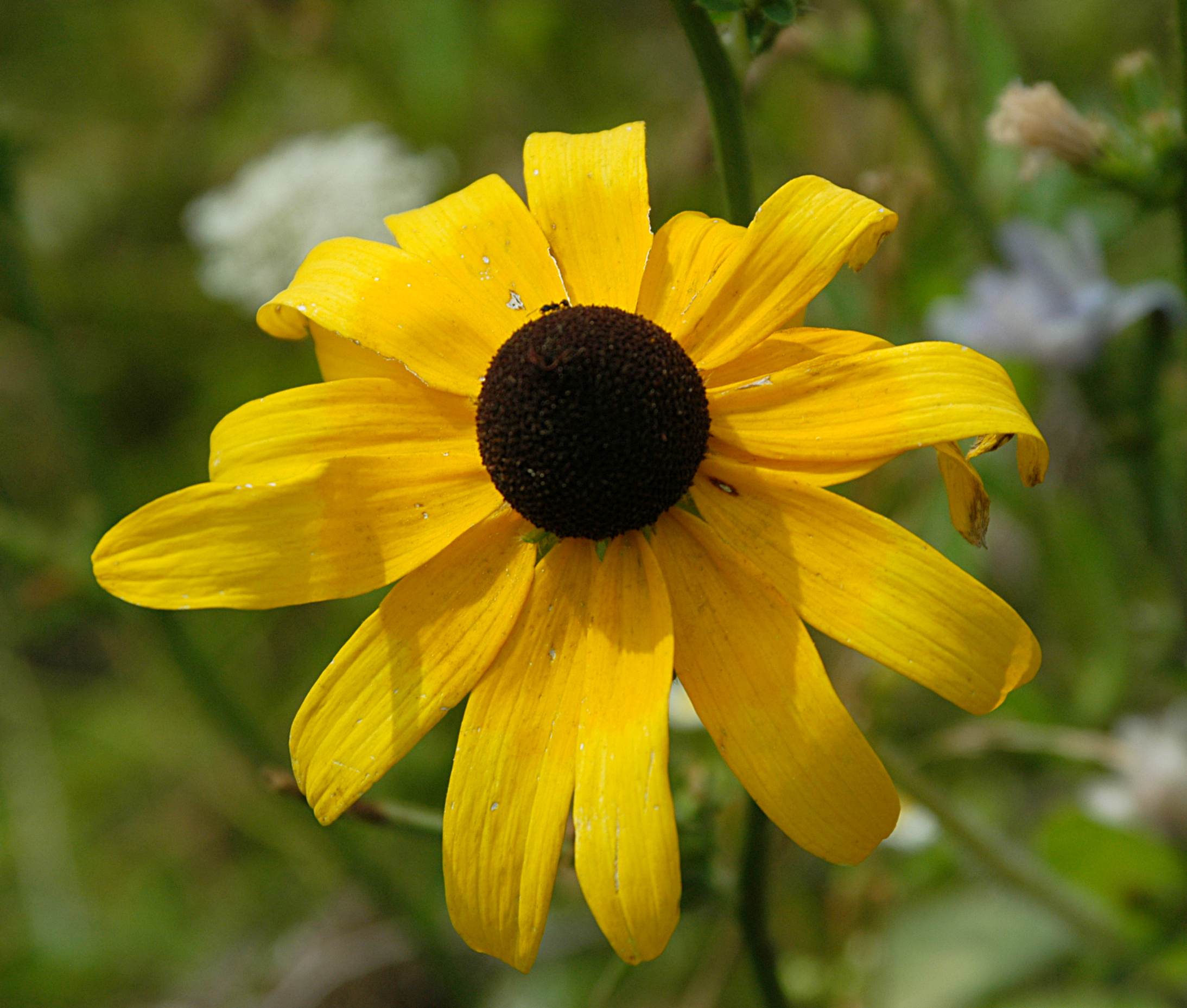
Stickpen, CC0, via Wikimedia Commons

Why Black-Eyed Susan Is One of the Best Flowers for New Gardeners
Black-Eyed Susan is the kind of flower that makes people smile. Its bright golden petals and dark center create the classic cheerful look many gardeners imagine when they picture a summer border or wildflower patch. It blooms generously, handles heat well, attracts pollinators, and asks for very little in return. That combination makes it one of the smartest plants a beginner can grow.
Go directly to the Care and Instructions section by clicking here.
Experienced gardeners love Black-Eyed Susan for the same reasons. It fits beautifully into cottage gardens, prairie-style landscapes, pollinator beds, naturalized borders, and cutting gardens. It also pairs easily with ornamental grasses, coneflowers, salvias, asters, and many other summer performers. If you want dependable color without constant maintenance, this plant belongs on your shortlist.
Meet the Flower Behind the Famous Golden Face
Black-Eyed Susan is most commonly associated with Rudbeckia hirta, though several Rudbeckia species and cultivars share the same familiar look. The flowers feature bright yellow to golden petals surrounding a raised dark brown or nearly black cone. Blooms open through summer and often continue into fall, providing long-lasting seasonal interest.
Some forms are grown as annuals or short-lived perennials, while others are fully perennial and return for many seasons. ‘Goldsturm’ is one of the most famous perennial selections because of its strong stems and reliable bloom performance. ‘Indian Summer’ offers oversized flowers, while ‘Prairie Sun’ softens the look with lighter petals and greenish centers.
No matter the variety, Black-Eyed Susan delivers the same sunny personality gardeners have loved for generations.
When to Plant and Where It Performs Best
Black-Eyed Susan can be planted in spring after frost danger has passed or in early fall in many climates. Seeds may also be sown directly into prepared soil once temperatures warm. Spring planting is especially popular because plants quickly establish and often bloom the same season. Fall planting gives perennial types time to root before winter.
The best location is full sun. Six or more hours of direct sunlight usually produces the strongest stems, heaviest flowering, and most compact growth. In light shade the plant often survives well, but stems may stretch and flower production can decline.
Open borders, pollinator gardens, meadow-style plantings, mailbox beds, roadside-style edges, and foundation islands are all strong choices. Good airflow also helps keep foliage healthy through the growing season.
Soil, Planting, and the Real Secret to Strong Blooms
Black-Eyed Susan is forgiving, but it performs best in average to moderately fertile soil with good drainage. Before planting, loosen compacted ground and mix in compost to improve structure. Heavy clay benefits from added organic matter, while very sandy soils may need help holding moisture.
Unlike some flowering plants, this species does not need extremely rich soil. In fact, overly fertile ground can create floppy leafy growth and fewer flowers. Moderate soil is often ideal.
If sowing seed, scatter onto prepared soil and press lightly because many Rudbeckia seeds appreciate light exposure for germination. If planting nursery starts, set them at the same depth they were growing in the pot and water thoroughly after planting. Grouping several together creates the natural look many gardeners love.
Watering, Feeding, and How to Keep Plants Thriving
During the first season, water regularly so roots establish deeply. Once settled in, Black-Eyed Susan becomes relatively drought tolerant and often needs only occasional deep watering during extended dry spells. This makes it an excellent option for gardeners who do not want constant irrigation demands.
Even drought-tolerant plants look better when watered wisely during severe summer heat. If foliage droops or flowers slow dramatically, a deep soak can restore vigor. Watering at soil level instead of soaking leaves may also reduce disease issues.
Fertilizer needs are modest. A yearly compost top-dressing or light balanced slow-release feeding in spring is usually enough. Too much fertilizer often causes soft growth and fewer blooms, so restraint is part of successful Black-Eyed Susan care.
Container-grown plants may need a bit more feeding and more frequent watering than those planted in the ground.
Deadheading, Pruning, and Preventing Common Problems
Deadheading spent blooms can extend flowering and keep beds tidy. Removing faded flowers encourages the plant to produce more buds instead of focusing energy on seed. If you enjoy birds visiting the garden, leave some late-season seed heads in place for wildlife interest.
Pruning is simple. You may pinch young plants early in the season for bushier branching, remove damaged stems as needed, and cut back plants in late fall or early spring. Perennial clumps can also be divided every few years if they become crowded.
Black-Eyed Susan is generally reliable, but it may occasionally encounter aphids, leaf spots, mildew, or slugs. Full sun, spacing, airflow, and avoiding wet crowded conditions prevent many issues before they begin.
Climate Tips, Landscape Ideas, and Trusted Growing Resources
In the Northeast and Midwest, Black-Eyed Susan is one of the easiest summer flowers for long-lasting color. Southeastern gardens benefit from sunny placement and airflow to reduce humidity-related issues. Southwestern growers should water young plants carefully until established. Coastal regions often enjoy excellent performance in open sunny beds.
Design-wise, few flowers are easier to use. Plant them in drifts through perennial borders, combine them with coneflowers and grasses for a prairie look, or tuck them into sunny corners that need cheerful color. They also make charming cut flowers for casual arrangements.
If you like learning from trusted sources, several excellent references are worth exploring. The Missouri Botanical Garden provides dependable plant details on Black-Eyed Susan. Gardeners wanting university-backed advice can also review the profile from North Carolina State Extension.
The Royal Horticultural Society offers broad guidance for Rudbeckia and ornamental use. The University of Wisconsin’s article on growing Rudbeckia is practical for home landscapes, while Gardeners’ World shares approachable tips for everyday gardeners.
Black-Eyed Susan is one of the most dependable ways to bring sunshine into a landscape. Give it sun, decent drainage, and a little room to grow, and it will reward you with months of golden blooms. For gardeners who want easy success, it is hard to top.
Black-Eyed Susan Care and Instructions
When To Plant
Plant Black-Eyed Susan in spring after frost danger has passed or in early fall in mild climates. Seeds may also be sown directly outdoors once soil warms. Perennial varieties planted in spring establish well before winter. Fall planting allows roots to develop in cooler soil. Avoid planting during extreme summer heat. Seeds often germinate quickly in warm moist soil with sunlight exposure.
What Is a Good Location?
Choose a location with full sun for the strongest flowering and compact growth. Black-Eyed Susan tolerates light shade, but fewer blooms and taller stems may result. Open beds, borders, prairie gardens, roadside-style plantings, and pollinator patches are excellent choices. Good airflow helps reduce disease issues. In very hot southern climates, light afternoon shade can be helpful during drought periods.
Soil Preparation
Black-Eyed Susan prefers average to moderately fertile soil with excellent drainage. Loosen compacted ground and mix in compost before planting to improve structure. Heavy clay should be amended for better drainage. Overly rich soil can encourage floppy growth, so avoid excessive fertilization. Slightly acidic to neutral pH works well. Mulch lightly after planting to reduce weeds while allowing soil to warm in spring.
Planting Technique
Sow seed on prepared soil and press lightly, as many varieties germinate best with light exposure. Keep seedbeds moist until sprouts appear. For nursery plants, dig a hole slightly wider than the root ball and plant at the same depth as the pot. Space according to mature size for airflow. Water thoroughly after planting. Grouping several plants creates a natural meadow effect.
Watering
Water regularly during establishment so roots develop deeply. Once established, Black-Eyed Susan is fairly drought tolerant and usually needs only occasional deep watering during prolonged dry spells. Avoid constantly wet soil, which can encourage root problems. Water at soil level when possible rather than wetting foliage. Container-grown plants need more frequent checks because pots dry faster than garden beds.
Fertilizing
Black-Eyed Susan usually needs little fertilizer. Too much feeding can cause weak stems and lush foliage with fewer blooms. Apply compost in spring or use a light balanced slow-release fertilizer if soil is poor. Established plants in average soil often thrive without additional feeding. Container plants may appreciate occasional diluted fertilizer during the growing season. Keep feeding moderate for best flowering performance.
Deadheading
Deadheading extends bloom season and keeps plants tidy. Remove faded flowers regularly to encourage continued bud production, especially in ornamental beds. If you enjoy seed heads for birds or winter interest, allow some late-season blooms to remain. Deadheading also reduces excessive self-seeding in some areas. Clean spent stems promptly if disease has been present during the season.
Pruning
Pruning is simple. Pinch young plants early in the season to encourage bushier branching if desired. Remove damaged stems anytime. Cut back faded plants in late fall or leave seed heads standing through winter for wildlife and texture. Perennial clumps may be divided every few years if centers weaken. Spring cleanup before new growth begins is often ideal.
Pest and Disease Maintenance
Black-Eyed Susan is generally reliable but may face aphids, leaf spots, powdery mildew, slugs, or occasional stem issues. Provide full sun, spacing, and airflow to reduce disease pressure. Avoid overhead watering late in the day. Remove infected foliage promptly. Deer usually ignore it, though browsing varies by region. Healthy plants in sunny well-drained sites are typically resilient.
Climate Summary
Cool Climates: Excellent perennial or reseeding annual with long summer bloom and strong pollinator value.
Temperate Climates: Thrives in sunny borders with average soil and moderate watering.
Hot and Dry Climates: Great in sunny irrigated beds once established; mulch helps conserve moisture.
Humid and Subtropical Climates: Provide airflow and drainage to reduce mildew and foliage disease.
Summary
Black-Eyed Susan is a cheerful, beginner-friendly flower prized for golden blooms, pollinator appeal, and long summer color. Give it sunshine and well-drained soil for best results. As a similar plant, consider Coneflower, another easy native-style favorite loved by butterflies and birds.